
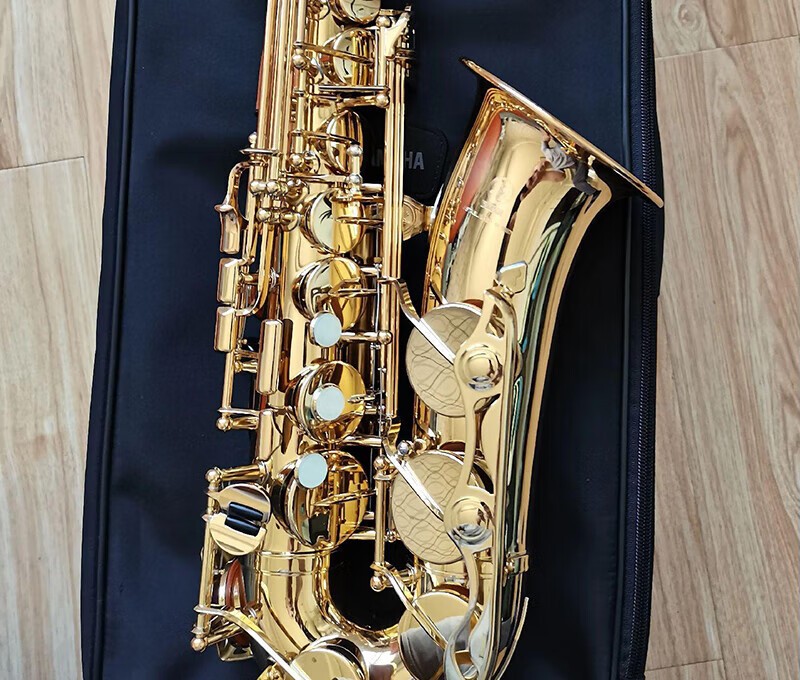
The Yamaha YTS-280 is the benchmark student tenor — the B♭ counterpart to the famous YAS-280 alto. For the dark, jazzy tenor sound without overspending, it’s the first to consider. We rate it with our L’Anche method.
Verified specs
- Pitch: B♭. Body: gold-lacquered brass.
- Keys: High F#; action derived from Yamaha’s student standard.
- Included: Yamaha 4C mouthpiece, backpack case, strap.
- Indicative UK price (2026): ~£1,399.
Strengths & weaknesses
- ✔ Dark, controlled sound, true to the tenor and easy for a student to manage.
- ✔ Reliable intonation, comfortable action; excellent resale.
- ✘ Pricier and heavier than a student alto — running costs higher too.
- ✘ “Reference” sound rather than strong character: for more, the YTS-480.
Who is it for?
Those who specifically want the tenor (jazz, pop, soul) as a first or second instrument and don’t mind the size. For a first “all-rounder”, the alto stays lighter and cheaper.
In everyday playing
The YTS-280 gives a student the genuine tenor experience — the dark, warm voice that draws so many players to the instrument — while staying easy to control. Owners praise its steady intonation across the range and a comfortable action that keeps the larger horn manageable. The trade-offs are physical and financial rather than musical: the tenor is heavier than an alto, so a supportive strap matters, and its reeds and mouthpieces cost more to run. For anyone set on the tenor sound, though, it’s a dependable, resellable place to begin.
Who should look elsewhere
If you’re undecided between saxophone sizes, the alto is lighter, cheaper to buy and cheaper to run, and remains the easier first instrument — the tenor earns its place only when its sound is the reason you want to play. If you already know you’ll progress seriously on tenor, the YTS-480 adds colour and finish worth considering. And on a very tight budget, a serviced used Yamaha tenor can undercut the new 280 while keeping the qualities that matter.
How it compares to the alternatives
The YTS-280 is the tenor counterpart to the famous YAS-280 alto, and it plays the same role: the safe, in-tune benchmark. The natural step up is the Yamaha YTS-480 (our score 4.2, ~£2,199), which adds tonal colour, a 62-series octave mechanism and an engraved bell — worth it for a committed player, but £800 more than most students need at the outset. The other honest comparison is sideways, to the alto YAS-280 (4.1, ~£950): the alto is lighter, cheaper to buy and cheaper to run (reeds and mouthpieces cost less), so if you don’t specifically want the tenor’s darker voice, it’s the easier first instrument. Below the Yamaha, budget tenors from Gear4music and Jean Paul start nearer £300–450; they’re playable but a clear tier down in intonation and resale. The 280’s 4.1 reflects a horn that does the fundamentals faultlessly.
Getting started: mouthpiece, reeds and accessories
The bundled Yamaha 4C is a solid tenor mouthpiece to learn on; jazz players often move later to a more open metal piece for brightness and projection, as our mouthpiece & reeds guide explains. Tenor reeds are larger and pricier than alto — start around strength 2 or 2½ (Vandoren or D’Addario) and buy by the box. Factor in a good padded strap or harness (the tenor is heavier), a sturdy stand and a cleaning swab; keep to our maintenance routine to dry the larger bore properly after playing.
FAQ
Is the Yamaha YTS-280 a good first saxophone?
It’s an excellent first tenor — reliable, in tune and easy to resell. But if you’re undecided between sizes, the alto is lighter and cheaper to start on; the tenor is the pick when its sound is the reason you want to play.
YTS-280 or YTS-480?
Start on the 280 (4.1) unless you already know you’ll progress seriously, in which case the 480 (4.2) adds colour and finish. The 280 covers most students’ needs for years.
Why is the tenor more expensive to run than the alto?
Its larger reeds and mouthpieces cost more, and it needs a more supportive strap or harness for the extra weight — worth planning into your budget.
👉 Compare prices and availability at specialist retailers.
More in our tenor buying guide; for jazz tone, see mouthpiece & reeds.
Specs/prices from manufacturers and specialist retailers; indicative (2026).
🎷 Essential accessories for saxophonists
Where to buy : Yamaha YTS-280
| Retailer | Why | |
|---|---|---|
| Thomann | Reference price, specialist dealer, warranty | See prices on Thomann → |
| Amazon | Fast shipping, used and renewed units | See on Amazon → |
Affiliate links: the price is the same for you, the commission funds our tests. As an Amazon Associate we earn from qualifying purchases.
As an Amazon Associate I earn from qualifying purchases.